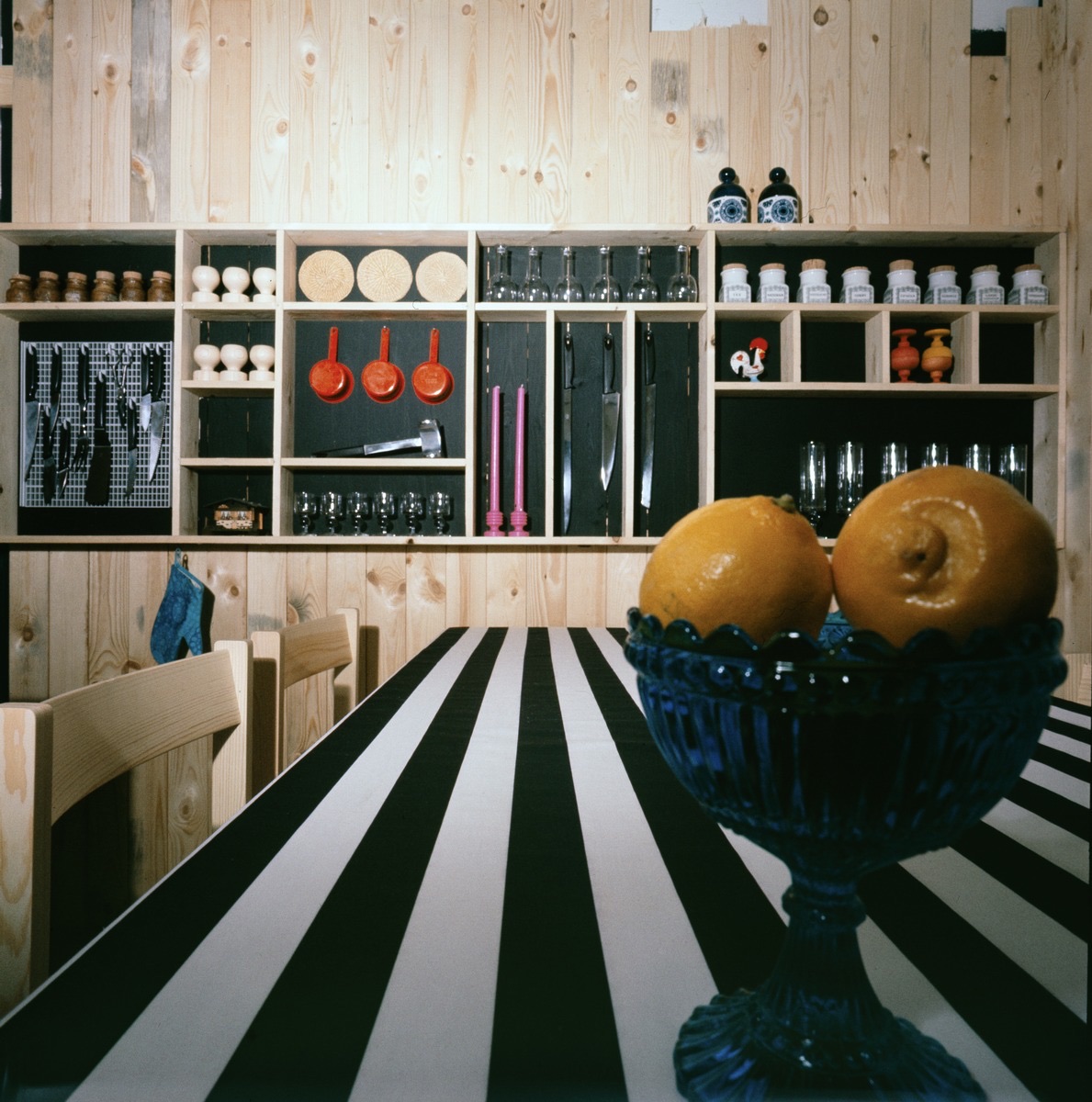
Few pieces of Finnish glass have the cult following of the Mariskooli — a small, footed, scallop-rimmed bowl sold jointly today by Iittala and Marimekko. It looks simple: pressed glass, a slender stem, a ring of bubbles around the base. But its history runs back well over a century, its color list runs past sixty, and its trademark name is barely thirty years old. Here's what makes it worth knowing before you go looking for one.
From a sugar bowl to a design icon
The bowl's shape didn't start with Marimekko. Iittala's own 1892 catalog already listed a similar pressed-glass sugar bowl, known as Onni, sold in clear and bone-white glass — itself likely inspired by an English pressed-glass sugar bowl patented two decades earlier. Onni's scalloped rim curved outward; the later Mariskooli's curves upward, which is the easiest way to tell the two apart at a glance.
The bowl most collectors actually chase today traces to 1957, when textile designer Vuokko Nurmesniemi was working at Nuutajärvi glassworks at the invitation of legendary designer Kaj Franck. She found a stemmed bowl sitting in the factory shop's storage, bought a dozen, and took them home. Armi Ratia, Marimekko's founder, saw them being used for dessert at Nurmesniemi's house, loved them, and began ordering the bowls from Nuutajärvi in ever-new colors for Marimekko to sell. The story goes that Ratia later served desserts in them at one of her famous garden parties — the moment the bowl really took off.
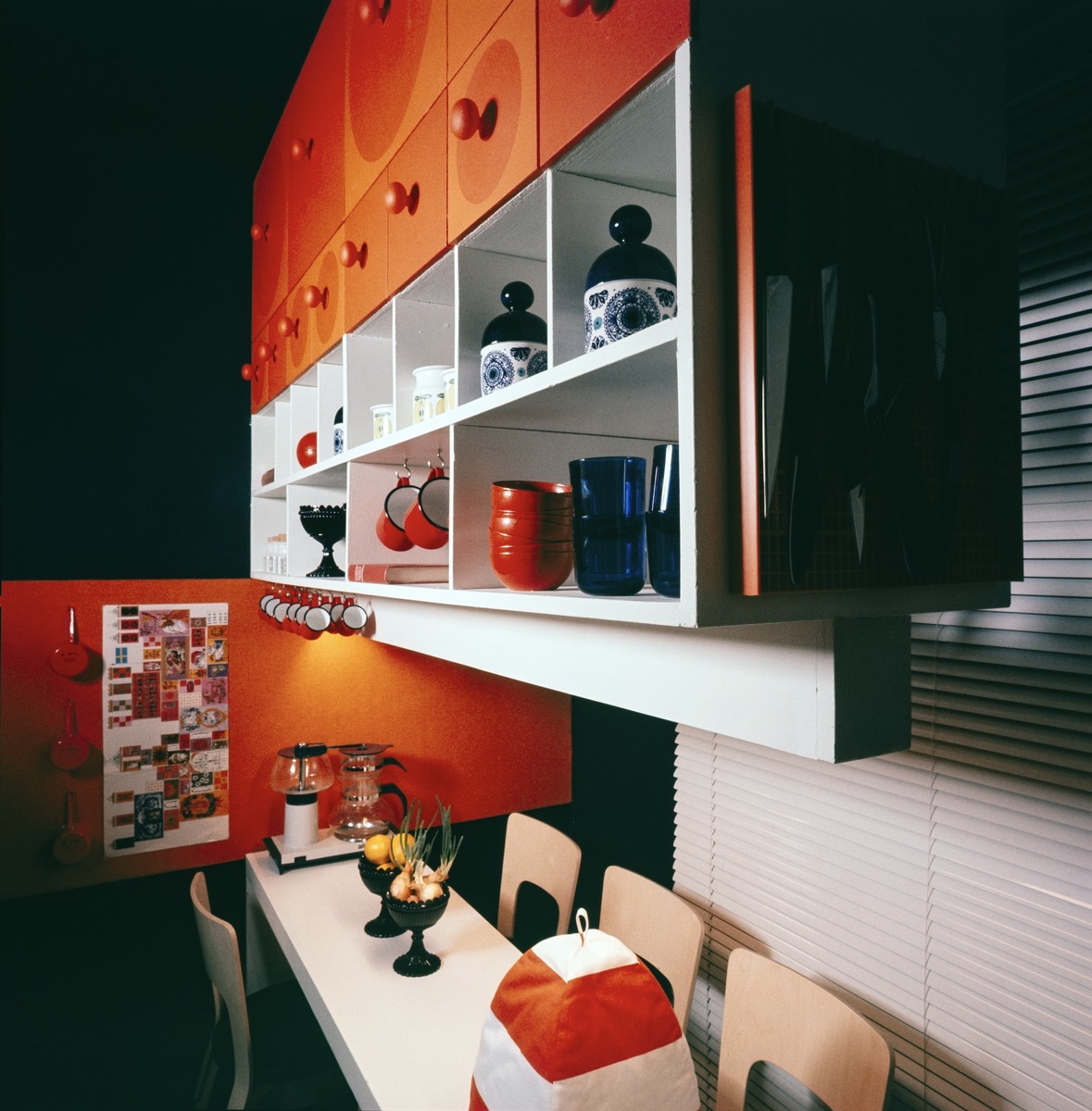
A production history in three acts
| Period | What happened |
|---|---|
| 1892 | Onni sugar bowl appears in Iittala's catalog — the likely design ancestor. |
| 1957 | Vuokko Nurmesniemi discovers a stemmed bowl at Nuutajärvi; Armi Ratia falls for it. |
| 1965–1968 | First dedicated production run at Nuutajärvi glassworks. |
| 1973–1993 | Main production era at Nuutajärvi, spanning dozens of colorways. |
| 1987–1995 | Humppilan Lasi produces the bowl as a subcontractor alongside Nuutajärvi. |
| 1995 | "Mariskooli" registered as a trademark. |
| 2015 | The smaller size is discontinued. |
| Today | Made under joint Marimekko × Iittala license at Iittala's glassworks in Hämeenlinna. |
Colors and rarity
This is where the bowl gets serious as a collectible. Across six decades of production, the larger bowl has been made in roughly seventy documented colors, and the discontinued smaller size in around twenty-five. Most were standard catalog colors sold for years at a time — but the ones collectors chase hardest are the accidents: short test batches, and the odd bowl blown during a furnace color-changeover that came out half one shade, half another. Matte finishes in plum and black are also in unusually high demand relative to how few were made. The rarest documented examples have sold at auction for well over a thousand euros — a long way from a bowl that started life as a factory shop overstock item.
How to spot a genuine one
Because the base shape was never protected by design patent, plenty of other glassworks — including budget retail lines in the 1990s — made bowls that look similar at a glance. None of these are technically counterfeits, but if you want an authentic Iittala/Nuutajärvi/Marimekko piece rather than a lookalike, a few details matter more than the sticker.
| Feature | What to check |
|---|---|
| Rim | Exactly 24 scallops, symmetrical all the way around. Lookalikes usually have a different count or uneven spacing. |
| Size (large) | 15 cm tall, 12.5 cm across, roughly 580–670 g. |
| Size (small, discontinued 2015) | 12 cm tall, 9.7 cm across. |
| Glass quality | Crisp, bright, even color. Budget copies often show a slight matte haze or uneven tone. |
| Foot ring | Sharp and clearly defined from 2004 onward; more mold-wear variation in older pieces. |
| Base marks | A small raised bump on the base points to a 1960s piece; mold numbers appear on Iittala-made bowls from 2004 and Nuutajärvi-made bowls from 2008. |
| Stickers | Useful for rough dating, not proof on their own — genuine stickers have occasionally been moved onto other bowls. |
Sticker eras, at a glance
- Nuutajärvi — used 1960s to 1994
- Iittala, horizontal — 1974–1991
- Iittala, vertical, white text — 1991–2001
- Iittala, vertical, black text — 2001–2024
- Marimekko fabric sticker — 1980s–2014
Color archive
Roughly seventy documented colors were made across six decades — far more than any one shop will ever hold at once. This is a running visual record of colorways we've verified in person, separate from what's currently for sale below. It grows one photographed piece at a time.
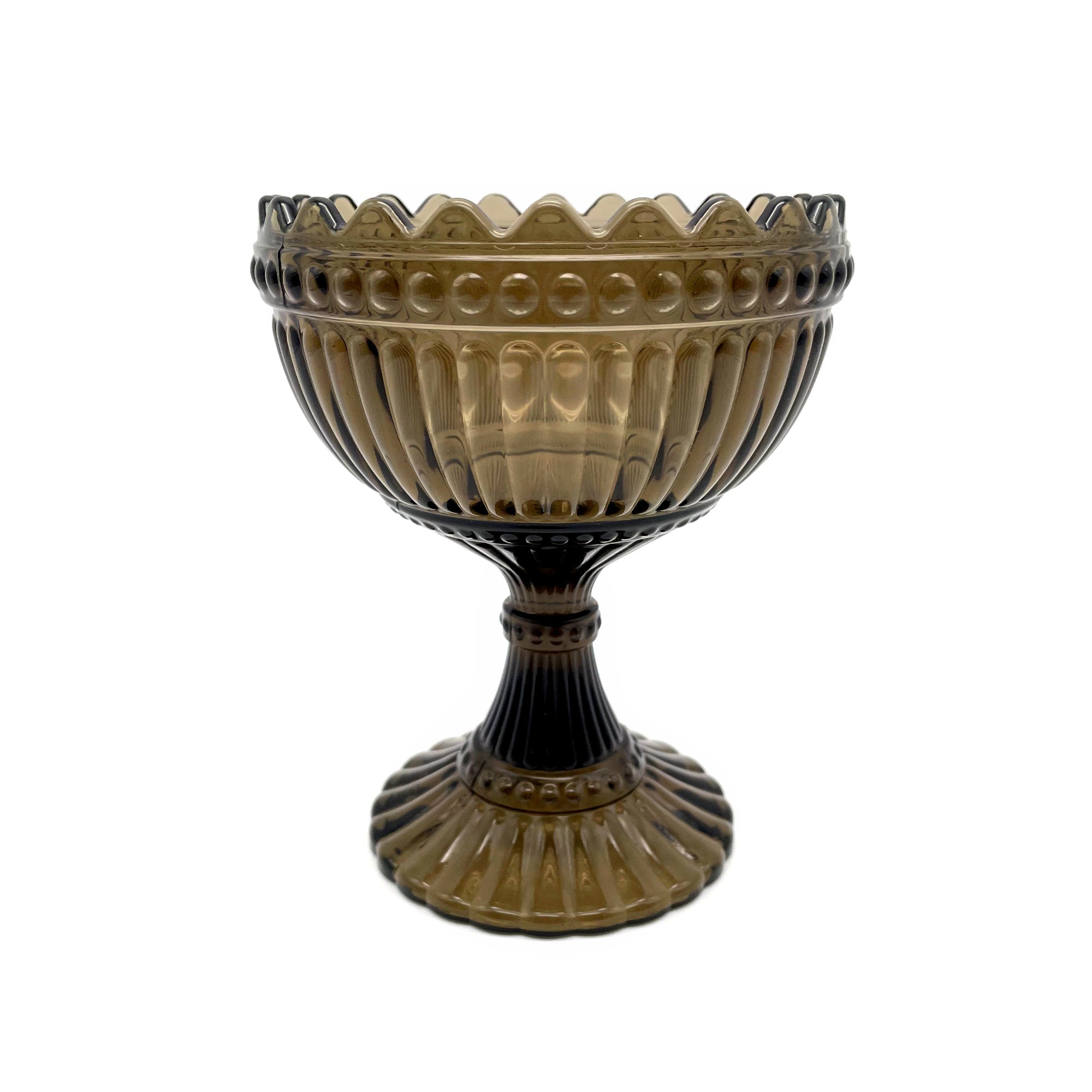
Sand
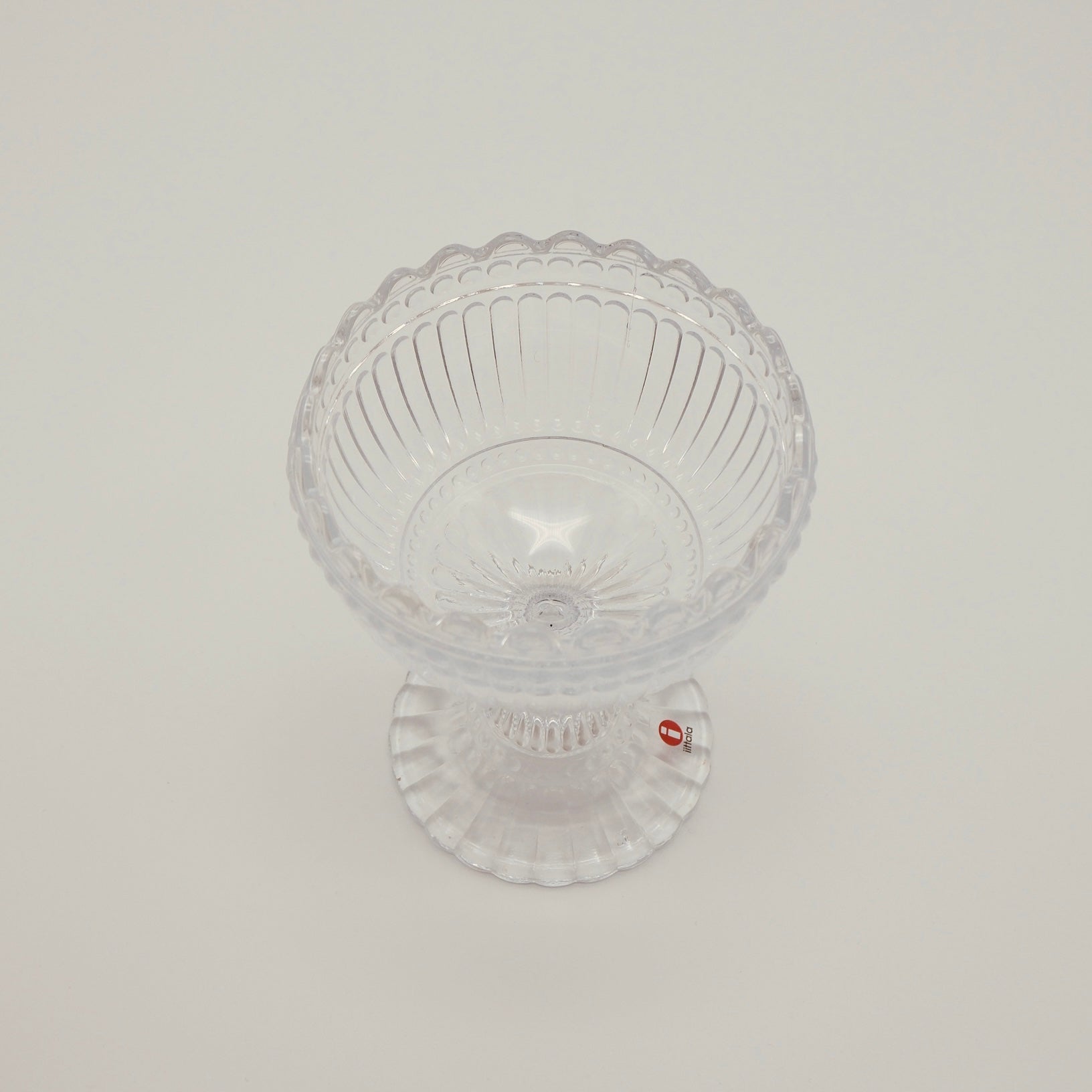
Clear
Opal Yellow
Test-batch color — documented, not yet in hand
Matte Plum
High collector demand — documented, not yet in hand
Matte Black
High collector demand — documented, not yet in hand
+ more to come
New colorways added here as Finnport sources and photographs them
Shop the real thing
Finnport in Thunder Bay carries authenticated vintage Mariskoolis as part of its ongoing Retro / Vintage collection — currently two colorways in stock:
Researched from multiple public sources on Mariskooli production history and identification, including Kotona Living's Mariskooli history, Onni-to-Mariskooli lineage, and identification guide, cross-checked against Iittala's current product listings. Dates and details vary slightly between sources; treat rare-color valuations as indicative, not appraisals.